



Hydroponic Germination: A Practical Guide to Germinating Seeds at Home
Want to start growing vegetables in a hydroponic system? The success of germination depends mainly on balanced humidity, oxygen, cleanliness, and appropriate temperature. In the following guide, you will find clear steps for choosing seeds and substrate, preparing the water, caring for the young sprout, and transferring it to the system. The recommendations are general; adapt them to the type of plant and the instructions of the substrate and equipment manufacturer.
short: Choose fresh seeds appropriate for the season and climate, moisten a clean substrate without flooding it, generally maintain a temperature of 20–25°C, and transplant the seedling when it has healthy roots and true leaves.
By Assaf Barki, Vinea Green – expert in urban agriculture and hydroponic growing systems.
Choosing seeds and germination medium
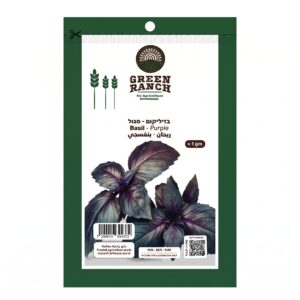
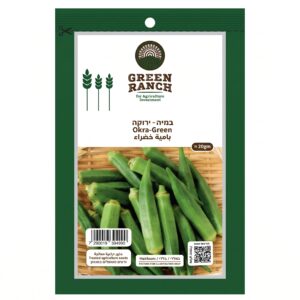
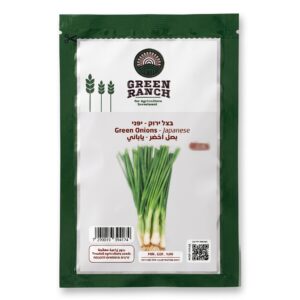
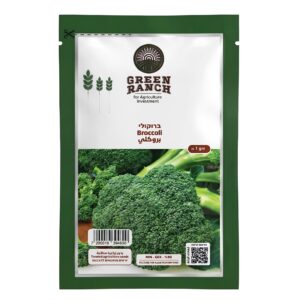
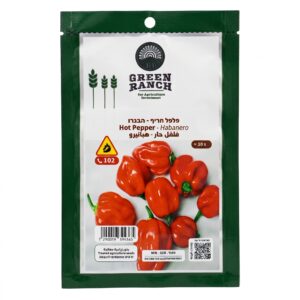
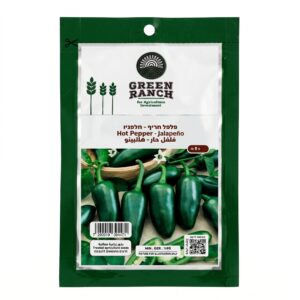
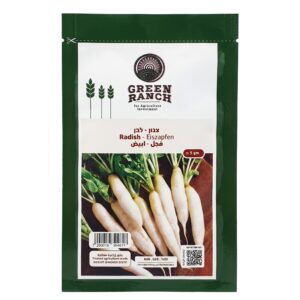
Choose seeds from a reliable source, in proper packaging and with an up-to-date date. Match the variety to the season and expected growing conditions: Varieties suited to the local climate may be better absorbed. Shelf life and germination percentages vary between plant species, storage conditions and seed batches, so check the supplier's instructions and don't assume that all old seeds are not viable.
Store seeds in a cool, dry, dark place, in a sealed container, according to package directions. Coated seeds may make it easier to place them accurately in the planting chamber; do not pre-soak them unless recommended by the manufacturer.
What substrate is suitable?
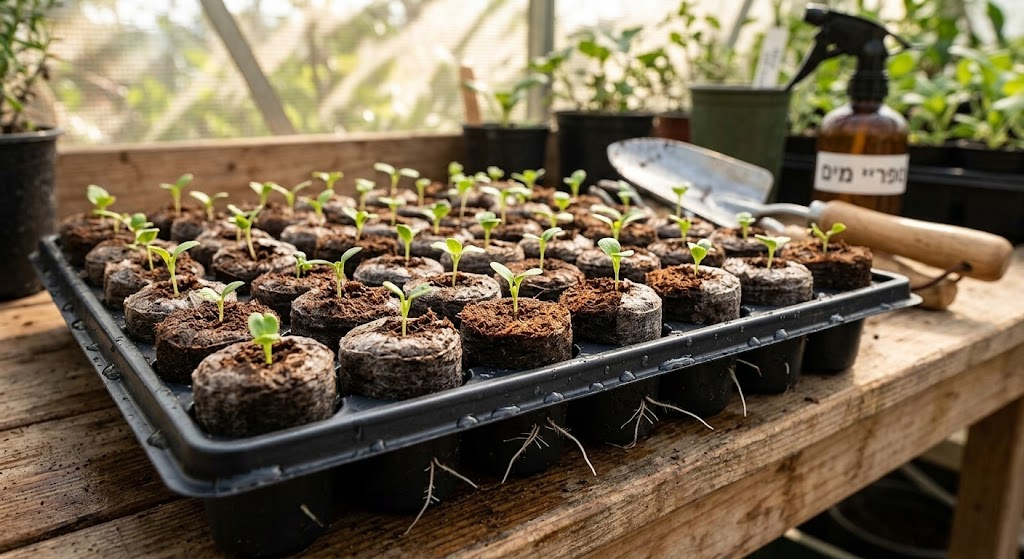
- Sprouting sponge: Easy to use, clean and allows the seedling to be moved with the substrate. Moisten gently and avoid flooding.
- Mineral wool: Retains water well. It should be prepared according to the manufacturer's instructions; many growers balance the pH beforehand, as the substrate may be alkaline.
- Organic peat or coconut plug: Ready to plant after soaking according to instructions. Make sure it fits the system and will not crumble into it.
There is no one substrate that fits every system. Choose a substrate that is clean, aerated, and suitable for your planting holes and irrigation method.
How to germinate seeds in hydroponics? Step by step
- Clean and prepare: Wash hands and utensils, and prepare the germination tray and substrate according to the manufacturer's instructions. Cleaning reduces the risk of mold growth.
- Wet without soaking: Use clean water and moisten the substrate evenly. It should be moist, not sitting in a puddle; the young root also needs oxygen.
- Place the seed: Place one seed in the designated cell or location, at the depth and coverage appropriate for the plant species and the instructions on the package. Some seeds germinate in light, others in darkness.
- Maintain stable conditions: Many species are suitable for a range of about 20–25 degrees Celsius, but the needs of the variety should be checked. High heat, especially temperatures above 30 degrees, may make it difficult for some seeds to germinate.
- Maintain humidity and ventilation: You can cover with a transparent lid to reduce drying out, but open for ventilation and prevent water accumulation and constant condensation. Check the substrate daily and add water only as needed.
- Add light after the peek: After the sprout appears, place it in strong light that is suitable for the plant. Sufficient light helps prevent a long, weak stem. Expose to light according to the needs of the species and gradually if necessary.
Water, acidity and fertilizer during germination
If using rockwool or a medium that requires balancing, a pH range of 5.5–6.0 may be appropriate for preparing water for germination; check manufacturer’s instructions and plant requirements. Tap water quality varies. If chlorine or other treatment is required, follow the instructions of the water supplier or system manufacturer—leaving water in an open container does not necessarily remove any disinfectant.
It is usually not necessary to add fertilizer before the sprout develops true leaves: the seed contains initial food reserves. After transplanting and depending on the type of plant, start with a fertilizer intended for seedlings and at the dosage indicated by the manufacturer; do not increase the dosage to accelerate growth.
When do you transfer a sprout to a hydroponic system?
Transplant the seedling when it is firm, has healthy white roots, and at least one pair of true leaves—the leaves that appear after the first set of leaves. Remove the substrate gently to avoid damaging the roots. In a water-filled system, position the substrate so that the bottom is moist but there is enough air around the roots; follow the system design and manufacturer’s instructions.
How do you reduce mold and rot?
Common causes are overly wet media, stagnant air, unclean utensils, and warm conditions. Reduce excess water, improve ventilation, and clean trays and utensils between germination cycles. Do not add hydrogen peroxide or other disinfectant to media or system without specific instructions for proper concentration and use; incorrect concentrations can be harmful to sprouts and users.
Frequently Asked Questions About Hydroponic Sprouting
Do I need to soak seeds before hydroponic germination?
Not always. Soaking depends on the type of seed and the supplier's instructions. Coated seeds, for example, are usually sown without pre-soaking unless otherwise specified.
Do I have to cover the sprouting tray?
Not in every case. A transparent lid can help retain moisture at the beginning of the process, but it is important to ventilate, prevent continued condensation, and remove or open the lid after peeking as needed.
Do you add fertilizer to the seeds during germination?
Usually not. Start feeding after the seedling develops and according to the plant species, the substrate, and the fertilizer label.
What to do if white mold appears?
Check for waterlogging or stagnant air. Carefully remove contaminated material, improve ventilation, and use clean tools. Do not handle chemicals without proper product and usage instructions.