Garden Pest Control: Before Choosing a Product
Start by identifying the pest or signs of disease and examining the plant and growing conditions. Not every change in leaves is due to a pest, so it is important to tailor the treatment to the problem.
How do you choose a pesticide?
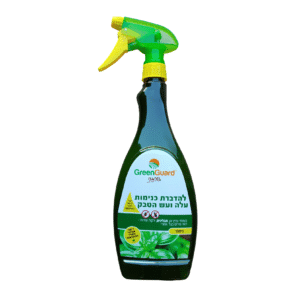
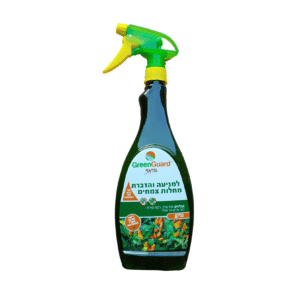
Choose only a product that is approved for the intended use and crop, as per the approved label on the package. Make sure the pest, plant and method of use are listed on the label; if you are unsure, seek professional advice before use.
When not to spray—and why?
Avoid spraying in direct sunlight and during the hottest hours of the day. Heat and sun can increase leaf damage, especially with oil or soap-based products and on plants suffering from heat stress or water deficiency. Rapid drying of the spray can also shorten the contact time and reduce the effectiveness of some products.
Protecting pollinators: Spraying when bees and other pollinators are active may expose them to the substance and harm them. All label restrictions regarding flowering and bee activity should be observed; spraying in the evening does not make a product safe for pollinators and does not eliminate these restrictions.
The spraying date is determined according to the approved label of the product. Prefer cool hours and no direct sunlight only if the label allows it and the weather conditions are suitable. There is no blanket prohibition on all hours of the day, and do not spray in wind that may deflect the spray or under other conditions prohibited by the label.
Safe use and storage
Read the label before each use and follow it only, including protective equipment, dosage, treatment intervals and waiting days before harvesting. Do not mix products without explicit instructions on the label. Even a product described as organic requires strict adherence to safety instructions.
Store in the original container, closed and in a locked place, away from children, animals, food and water sources, and according to the label. The information here does not replace the manufacturer's instructions and the approved label.