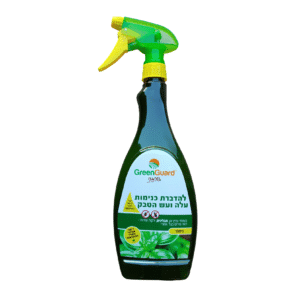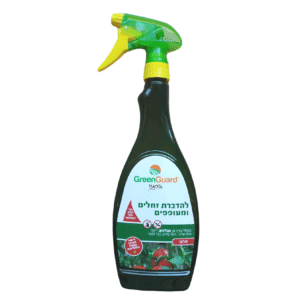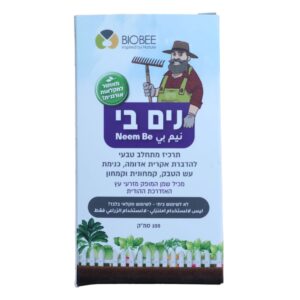
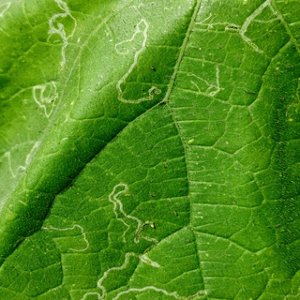
An organic neem oil-based product for controlling caterpillars and flies if there is a significant infestation. The operation should be repeated if caterpillars still appear after the initial spray or removed manually.
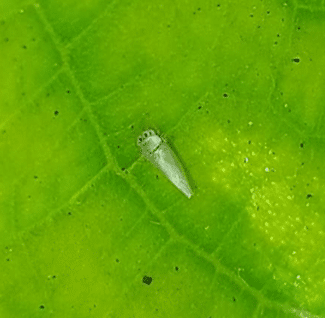
If there is spread to all parts of the plant, consider destroying the plant and spraying the plants around it with an organic neem oil-based product for tobacco moth aphid control in order to prevent the spread of the pest. Use of natural predators of the pest, for example, ladybugs. Use of yellow glue traps (stickers) near the system.
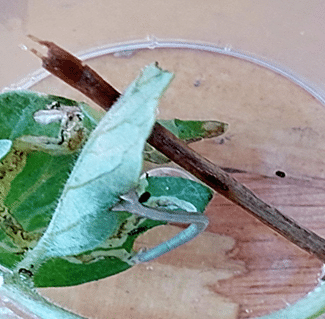
An organic neem oil-based product for controlling caterpillars and flies if there is a significant infestation. The operation should be repeated if caterpillars still appear after the initial spray or removed manually.
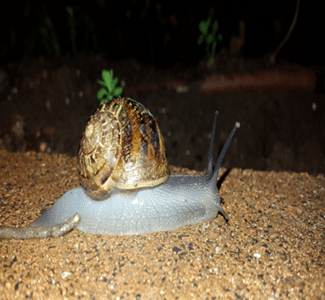
Manual detection and removal at night only. Use of natural products to repel snails and slugs.

If there is spread to all parts of the plant, consider destroying the plant and spraying the surrounding plants with an organic neem oil-based mite control product to prevent the spread of the pest. Using predatory (friendly) mites, such as the acarid, the environment of the infected plant should be disinfected of mite egg remains or nests.
If there is spread to all parts of the plant, consider destroying the plant and spraying the plants surrounding it with an organic neem oil-based product for controlling leaf aphids in order to prevent the spread of the pest. Use of natural predators of the pest, for example ladybugs. Wash adult plants with a strong stream of water in cases of light-medium infestation. Use yellow glue traps (stickers) near the system.
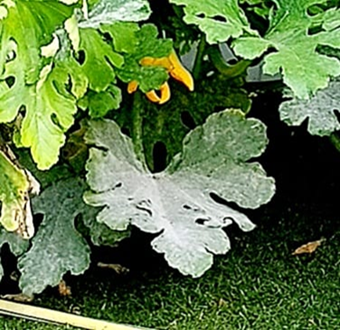
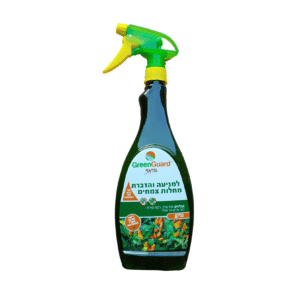
Infected leaves can usually be removed manually. If the phenomenon expands significantly, consider destroying the plant and spraying the surrounding plants with an organic neem oil-based product to prevent and control plant diseases. Preventive action - spraying once every two weeks with an organic neem oil-based product or neem B to prevent the development of plant diseases. Spacing the leaves to ventilate the plant (prevents moisture accumulation between the leaves, which may manifest as powdery mildew).